

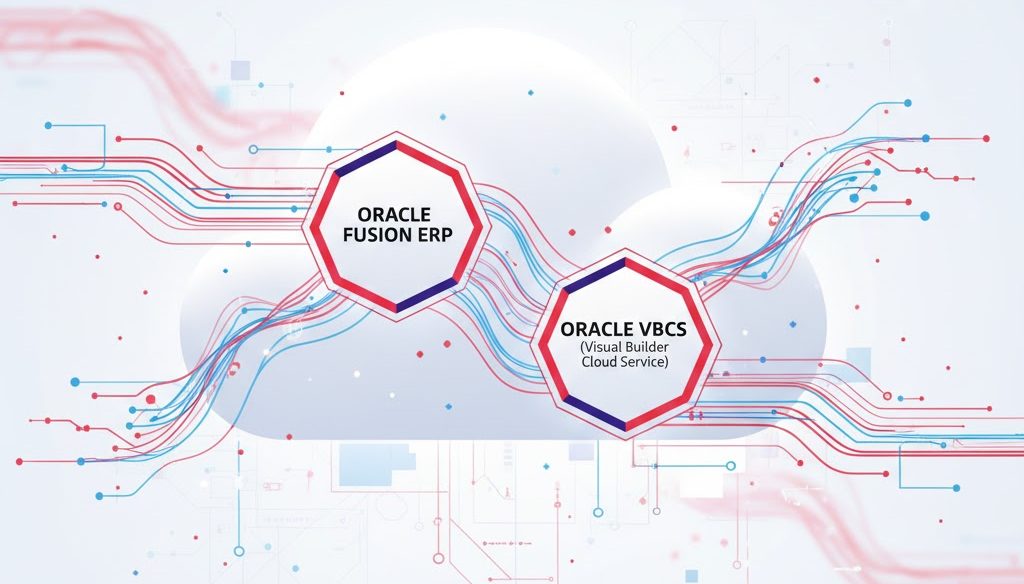

Enterprises are under constant pressure to modernize the way employees, suppliers, and customers interact with systems. Legacy portals feel outdated, user journeys are slow, and internal processes depend too much on email and spreadsheets. Oracle Visual Builder (VBCS) solves this gap by giving organizations a modern, JavaScript-based platform to create responsive web and mobile apps that integrate natively with Oracle Fusion and OIC.
This blog explores what VBCS is, why companies are adopting it, real-world use cases, and how Faramond helps organizations build applications that feel modern, intuitive, and enterprise-ready.
What Is Oracle Visual Builder (VBCS)?
Oracle Visual Builder is a low-code development platform built on top of Oracle JET and modern JavaScript standards. It allows teams to design, build, and deploy professional-grade applications without managing infrastructure or deep front-end development.
With VBCS, businesses can quickly build:
- Supplier and customer portals
- Approval and workflow applications
- Field service and mobile apps
- Employee self-service and HR tools
- Extensions for Oracle Fusion Apps
- Lightweight operational dashboards
VBCS applications run natively in Oracle Cloud, inherit Fusion’s security model, and seamlessly integrate with OIC, REST APIs, and other cloud services.
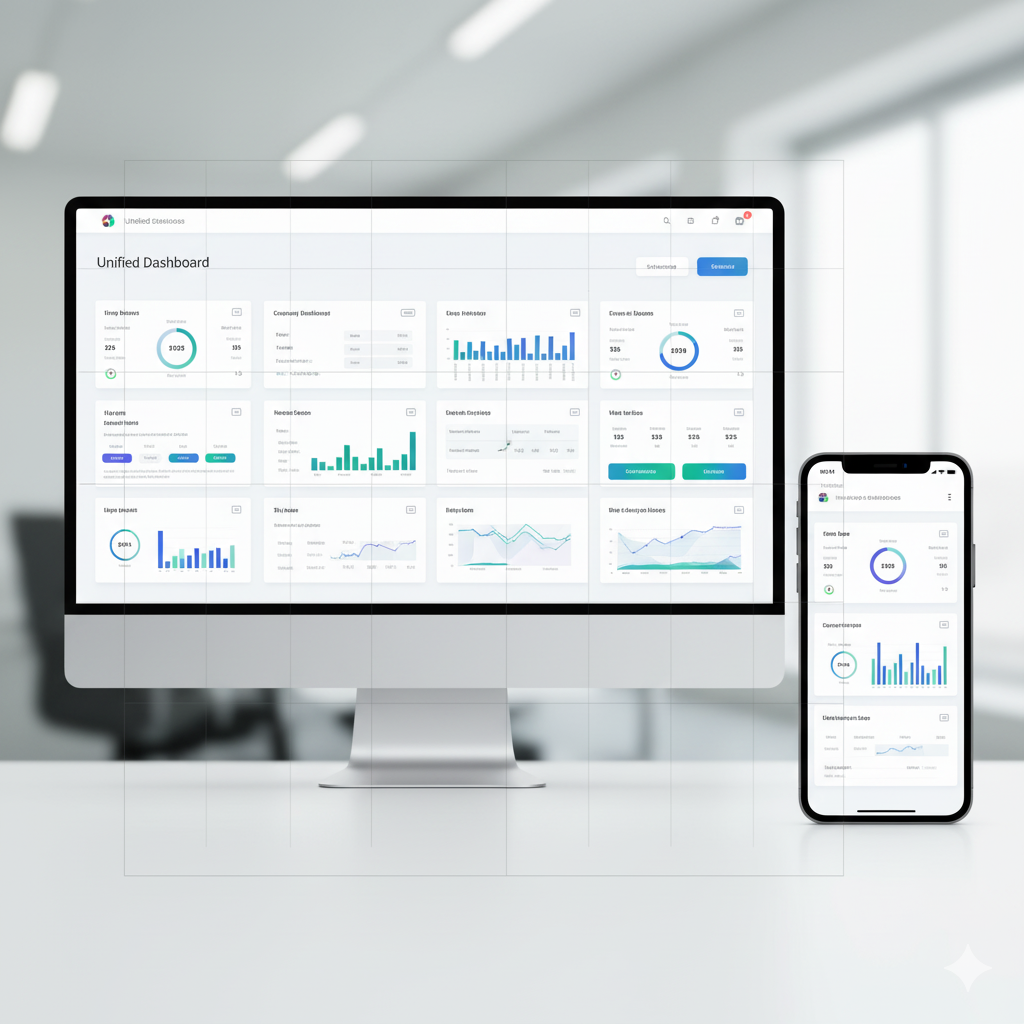
Why Enterprises Need VBCS
Business processes evolve faster than traditional application development cycles. When teams depend on IT backlogs, innovation slows down and people create their own workarounds—spreadsheets, forms, documents, or legacy web tools.
VBCS solves this by enabling:
- Faster application delivery
- Modern UI and mobile-first design
- Seamless integration with APIs
- Quick iteration and change management
- A secure environment with centralized admin
Because VBCS is part of Oracle Cloud, companies don’t have to worry about deployments, servers, patching, or security layers. Everything is maintained by Oracle.
Real Use Cases of VBCS Across Industries
Manufacturing
- Production reporting apps
- Machine downtime tracking
- Spare parts request portals
Retail & E-Commerce
- Store performance monitoring
- Mobile returns and complaints portal
- Vendor claim submission app
Pharma & Healthcare
- Sample distribution tracking
- Batch or lot visibility apps
- Compliance checklists for QA teams
Financial Services
- Loan or claim approval workflows
- Internal decision dashboards
- Customer onboarding portals
Facilities & Services
- Technician dispatch apps
- Asset inspection reports
- Timesheet and attendance tools
VBCS gives enterprises the UI freedom they need while staying tightly aligned with Oracle’s backend.
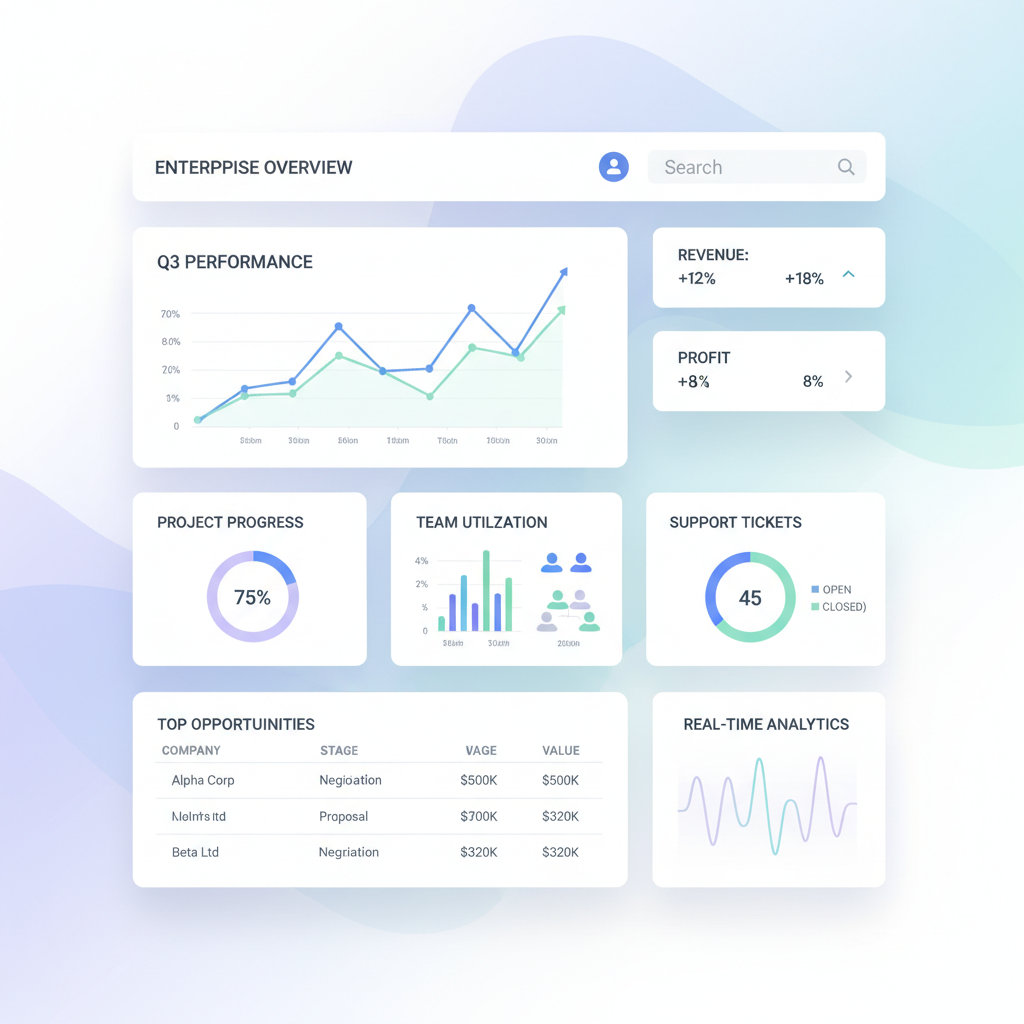
Why VBCS Is Loved by Engineering Teams
Modern UI Technology
Built on Oracle JET, HTML5, and JavaScript, VBCS delivers high-quality interfaces.
Direct Fusion Integration
Fusion REST APIs plug into VBCS with built-in security handling.
Component Library
Drag-and-drop UI components, templates, lists, charts, dialogs, and forms.
Mobile-Responsive by Default
Apps automatically adapt for desktops, tablets, and phones.
Built-In CI/CD
Visual Builder Studio (VBS) provides pipelines, versioning, and deployment workflows.
API-First Architecture
Consume any REST service or expose VBCS apps as APIs.
Business Benefits of VBCS
Shorter Development Cycles
Apps go from concept to production faster.
Lower Development Cost
Minimal custom coding reduces engineering overhead.
Better User Experience
Employees and partners get clean, intuitive interfaces.
Smooth Fusion Extensions
No impact on Fusion upgrade cycles.
Faster Digital Transformation
Business units become more independent and innovative.
How Faramond Helps Organizations Succeed With VBCS
Faramond combines functional knowledge of Fusion with strong engineering expertise to build applications that sit naturally in enterprise workflows.
We Deliver:
- Custom enterprise apps on VBCS
- Fusion extensions and self-service portals
- Mobile apps for field, retail, or manufacturing teams
- UI/UX design using Oracle Redwood guidelines
- API orchestration through OIC
- Architecture, governance, and lifecycle support
VBCS applications built by Faramond feel modern, scale seamlessly, and integrate cleanly with Oracle Fusion and backend systems.
Conclusion
Oracle VBCS is a powerful tool for enterprises that want to move quickly, build great user experiences, and stay aligned with Oracle’s ecosystem. Whether it’s extending Fusion or solving operational challenges, VBCS empowers teams to build apps that are fast, flexible, and future-ready.